Why Repair Timber Windows Is The Best Choice For You?


Timber Window Overhauls
Window repairs for timber are required to repair leaks, rattles and draughts. This involves removing the decayed wood and replacing it with new timber splices. The frame is treated with a masonry-specific fungicide and biocide paste.
Masking tape and dust sheets can be helpful in protecting surfaces from stain splatters or paint. Sand the repaired area using various grades of sandpaper beginning with coarse and working up to smooth for an improved look.
Failed Seals
Draughts that enter your home unintentionally are among the first indications that your seals have failed. This can happen to more recent replacements that are properly installed and sealed. However, it is more common in older homes. Window seals that fail prematurely indicate a defect in the product. Therefore, if your windows are still under warranty, be sure to contact the manufacturer about a repair or replacement.
Modern double or triple pane windows have an odorless, clear gas like argon that is sandwiched between the window panes for added insulation and energy efficiency. This is a significant alternative to single-pane windows which are more prone to heat loss and condensation. Gas can escape through the seals of these windows if they're not in good condition.
Over time, this may result in higher energy costs because windows aren't keeping your home insulated, and you could see lots of condensation between the window panes that is visible from both sides. This problem can only be resolved by replacing the insulated glazing unit (IGU).
Solar pumping is a common cause. This happens when sunlight hits the window, heating up the gas that is used to insulate it and causes it to expand. The pressure variations that result can weaken seals and allow gases that insulate to escape.
Another cause of window seal failure is moisture entering concealed parts of windows. This could be due to the sash, where water may collect in the mullions or in the frame, where water may seep into joints and crevices. In time, this could cause IGUs to leak or become brittle and eventually break.
Another indication of faulty window seals is the appearance of fog or mist between the window panes. Fog is caused by moisture that is not removed by washing the glass. It could cause windows to shrink due to a layer of condensation that forms. This can lead to wood damage and rotting which is why it is crucial to find a solution as soon as possible.
Condensation
Windows made of wood can be an source of satisfaction for homeowners in Cheshire and can add to the look of a house. However, without proper maintenance wooden windows could cause problems as they are susceptible to wood rot. If you notice that windows' frames made of timber are damp, it's vital to fix them as soon as possible to avoid further damage and costly replacements.
One of the most frequent causes of water build-up on timber window frames is condensation. This is because moisture in the air can seep into crevices and cracks, which causes it to swell. This is why it's important to clean and paint your window frames regularly. It is essential to ensure that the wood is dried prior to painting. This will stop wet rot and prevent the paint from bubbling. You can check the amount of moisture in your timber by using an instrument to measure the moisture of wood to make sure it's dry enough to paint.
Splicing window frames made of timber can reduce the risk of them becoming damp. This is a viable alternative to replacing them. This procedure involves cutting off the damaged portion of the frame and filling the gap with splice repair wood that is treated to be as close in size in grain pattern, colour and grain to the timber that is currently. Once the spliced in repair wood has had time to dry thoroughly and then it is placed in the frame, glued and sanded, filled and repainted.
It is crucial to understand that the rot process is a slow, gradual issue. Even after a time of neglect, there could not be any obvious indications. This is why it's crucial to keep a close watch on your window frames, checking them at least every week for indications of dampness or damage, and then taking action immediately to avoid further problems. At Reddish Joinery, we use Accoya, a wood that is resistant to rot used for our traditional wooden windows, which are crafted to last for years and can add real character to your home.
Rot
Rot is a common issue. It can be caused by age or poor maintenance, or lack of care. It can make a window frame unstable, which could pose an security risk to your home. If it's treated properly and detected early, the rot will be removed and the window can be restored to its original function.
To prevent decay, wooden windows need to be maintained and cleaned regularly to ensure that they continue to perform the essential tasks to keep your home secure and comfortable. Rot is most commonly found in the sills of wooden windows and the bottom of sash boxes. However it can happen anywhere on the frame.
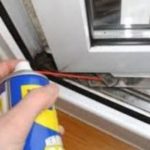
A quick and affordable repair method for rotten sections is to splice in new timber. This involves cutting away the section that is rotten and replacing it with a brand new piece of well-seasoned wood. The new wood must be shaped to match the existing profile of the board for maximum strength. If the decay is too extensive to be treated with this method, then the window may need to be replaced altogether.
After you've removed the decayed sections of timber, it's crucial to thoroughly clean, sand and prepare any remaining surfaces. Be sure to ensure that all surfaces are dry using a moisture meter, especially prior to painting. The addition of an oil layer of linseed paint is a good method to stop moisture from getting into any gaps and cracks in a wooden window frame.
There are also chemical rot treatments available that can be injected into wood to kill any rot-related cells and prevent further deterioration of the wood. This method is extremely efficient when it is used in conjunction with the splicing technique used to treat wet rot. You'll need good carpentry skills and for any splicing repair it is necessary to prepare thoroughly.
door repair are a popular feature on older properties and can add style and character to your home. They require regular maintenance to function properly. A lack of maintenance can cause a range of problems such as draughts, condensation, rotting, sticking and compromised security.
One of the main causes of timber window deterioration is due to damp. Wood can only absorb an amount of moisture before it starts to degrade, especially in dry conditions. It is essential to treat your timber windows with a high-quality wood preservative in order to protect the windows from damp and rot.
It is also a good idea to clean your wood windows using a suitable cleaner to eliminate dirt and other debris that could cause damage to the finish. Regular cleaning can help to reduce the necessity of sanding and repainting, which can be costly.
Regular maintenance can also assist in identifying any problems before they become serious. For instance, if you observe any areas on the window frame that feel soft to the touch this is an indication that they have rotted. The soft spots can easily be identified by pressing down on the wood with a tool like a screwdriver, or even your finger. The healthy wood will feel solid and solid, while the rotted sections will sink in and depress.
It is possible to repair damaged parts of wooden window frames in a easy manner. This is an excellent opportunity to learn woodworking skills. It is recommended to consult a professional to make sure that the replacements are of the right size and match the frame's finish.
If you notice your windows getting cracked or peeling, it is time to paint them again using a microporous paint system. This will re-protect the timber and keep it looking like new. Regularly painting your timber windows will prevent deterioration which could result in draughts or rot.